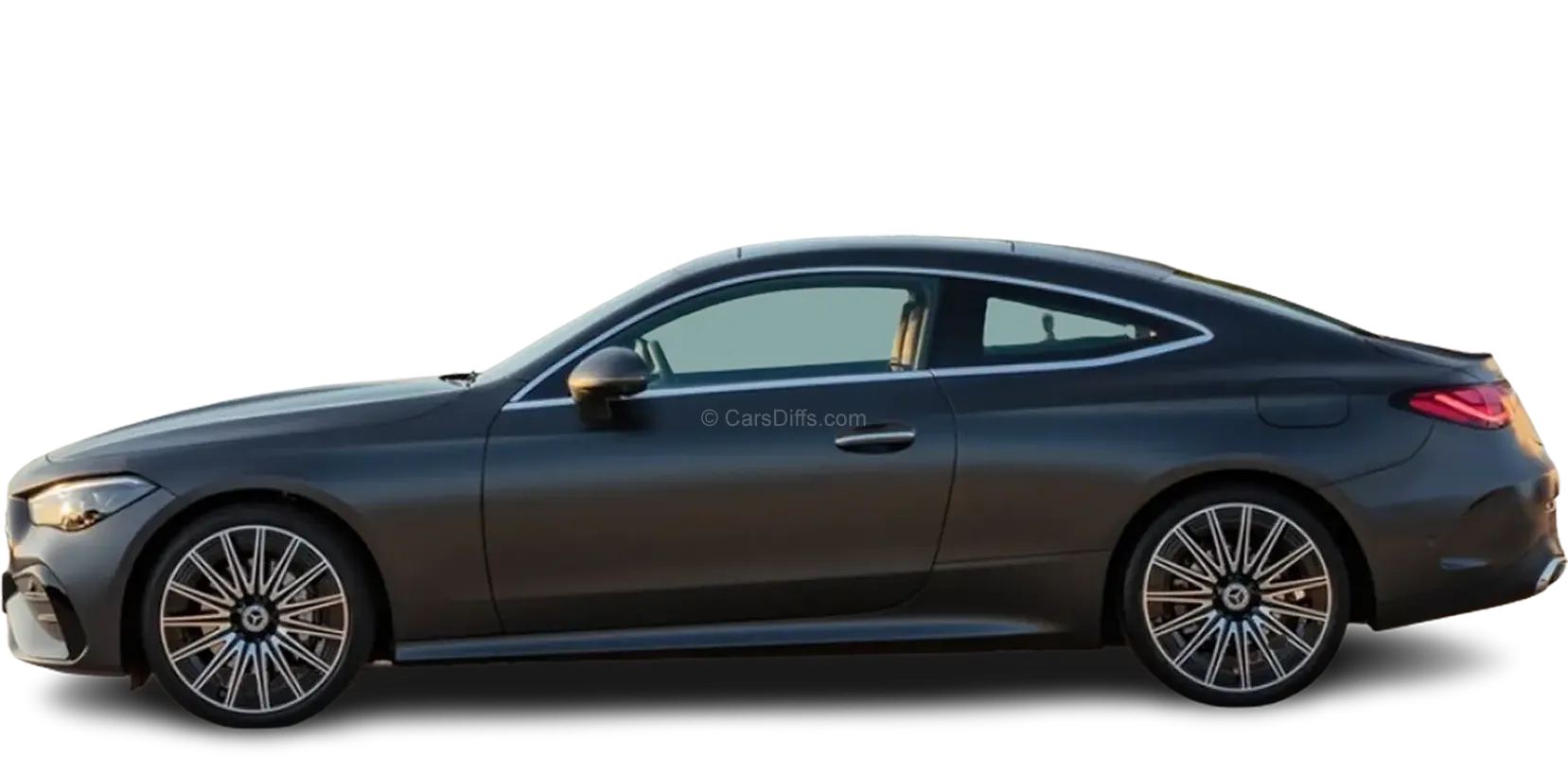
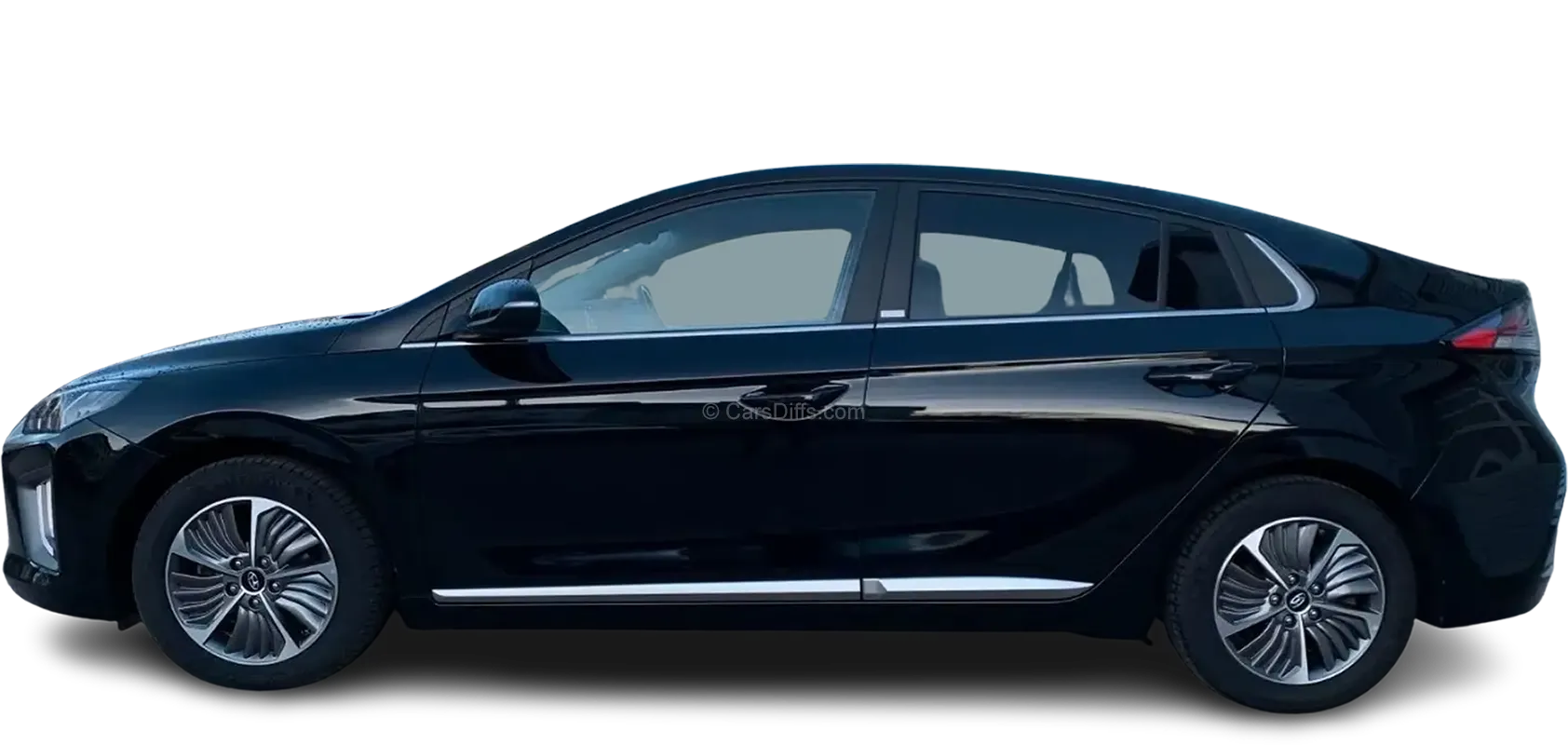
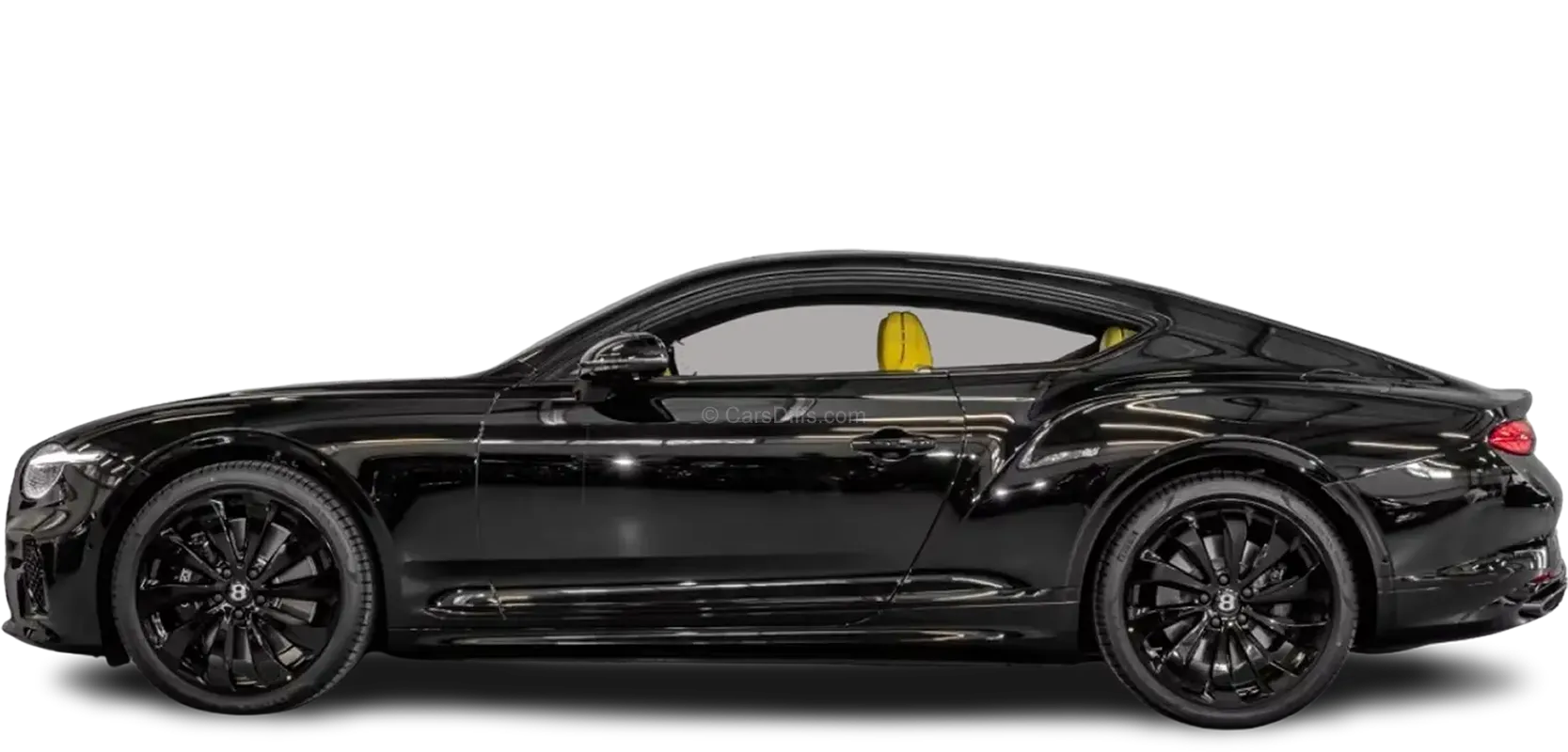
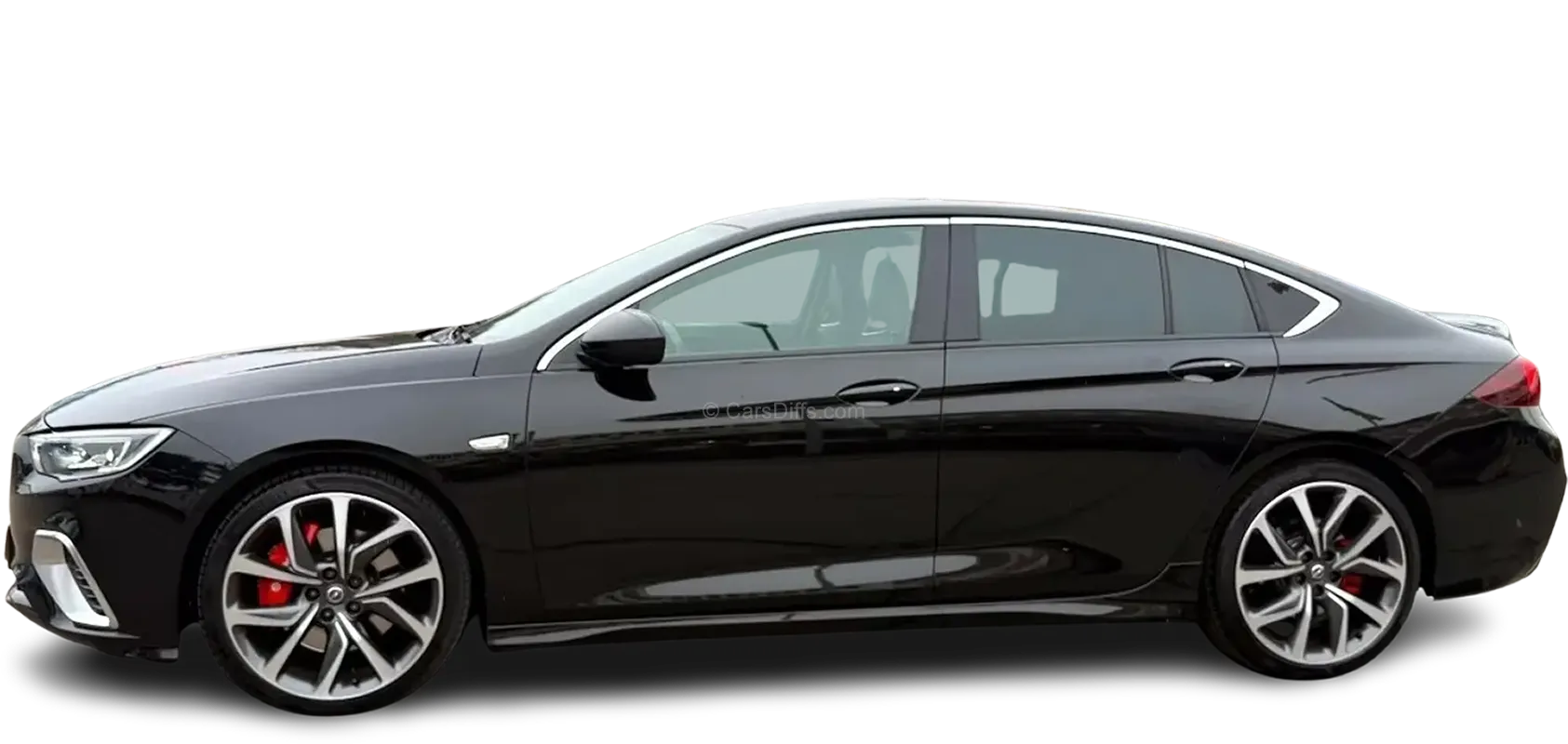
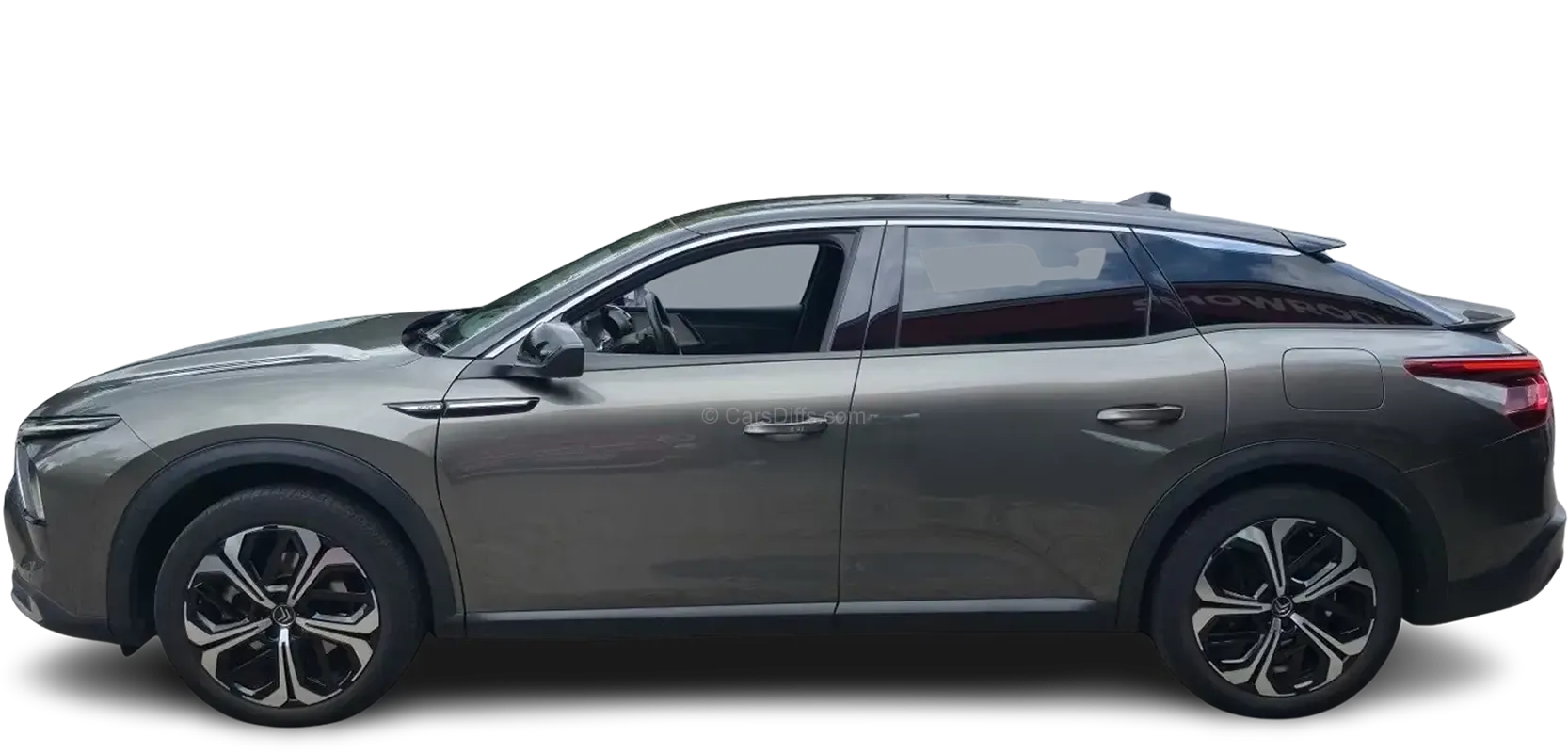
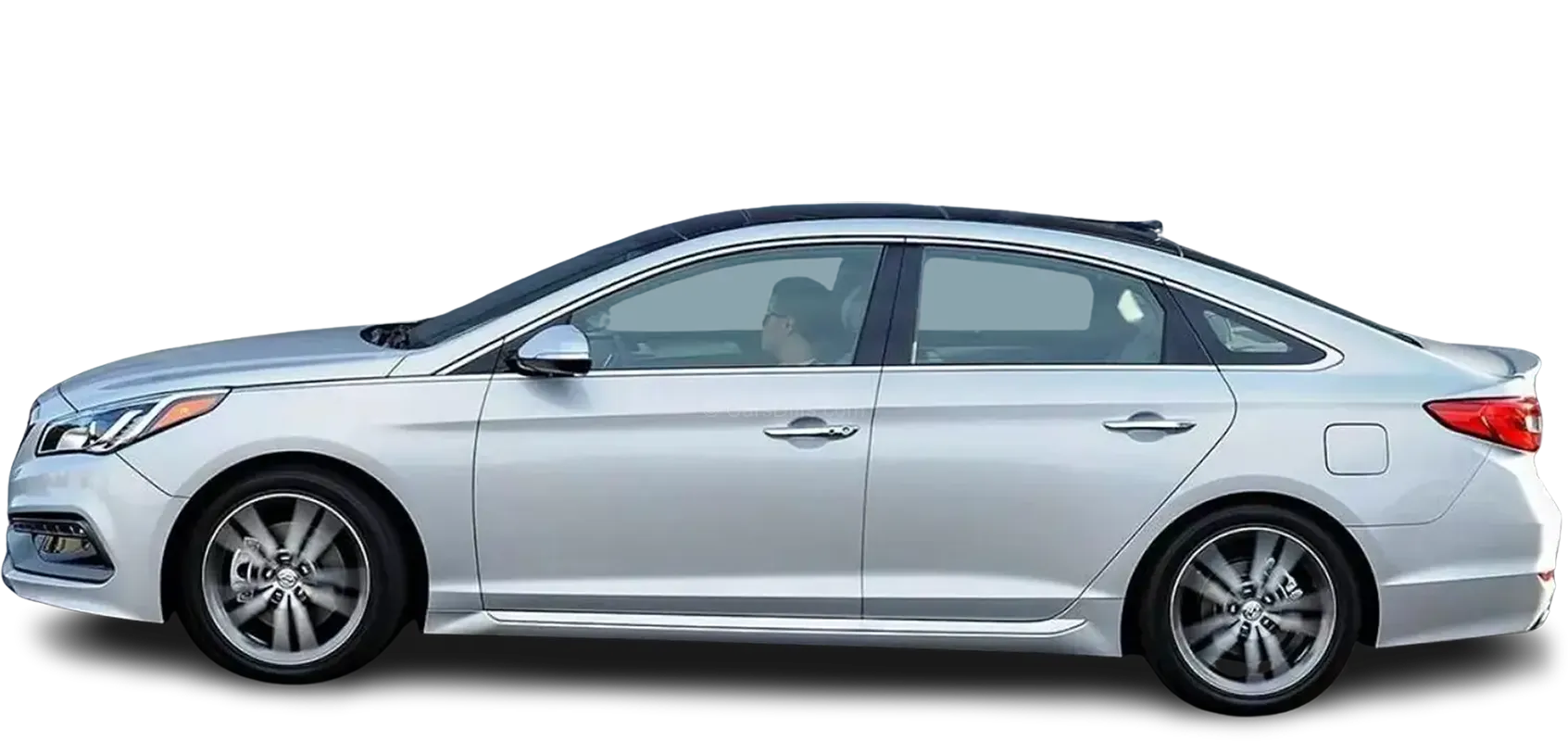
Bmw 8 Series (2022 - present) vs. Hyundai Ioniq (2019 - 2022) Compare Car Dimensions Side by Side

 Swap
SwapBMW
8-Series (G15)
2022 - present
Change car
Hyundai
Ioniq
2019 - 2022
Change car
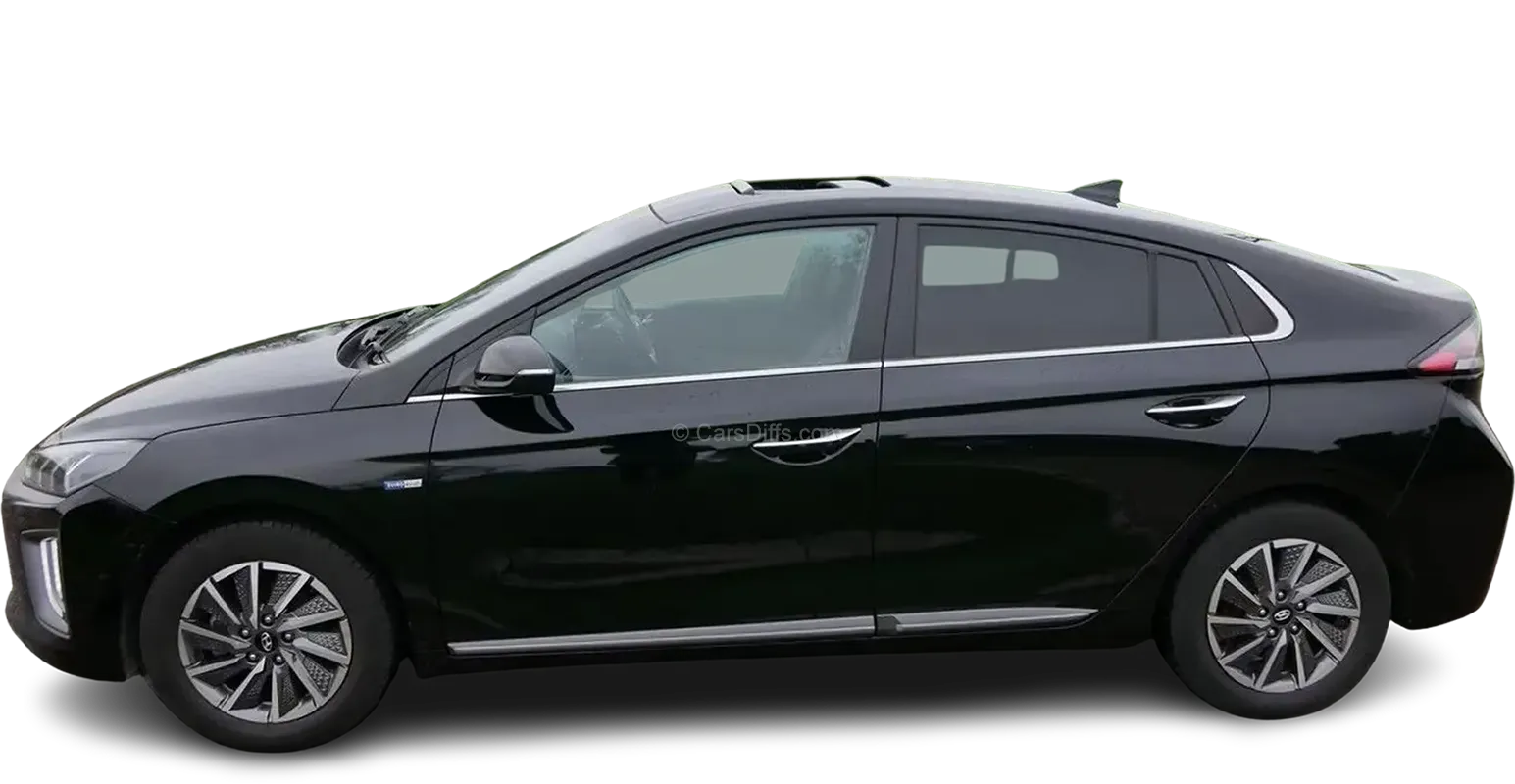
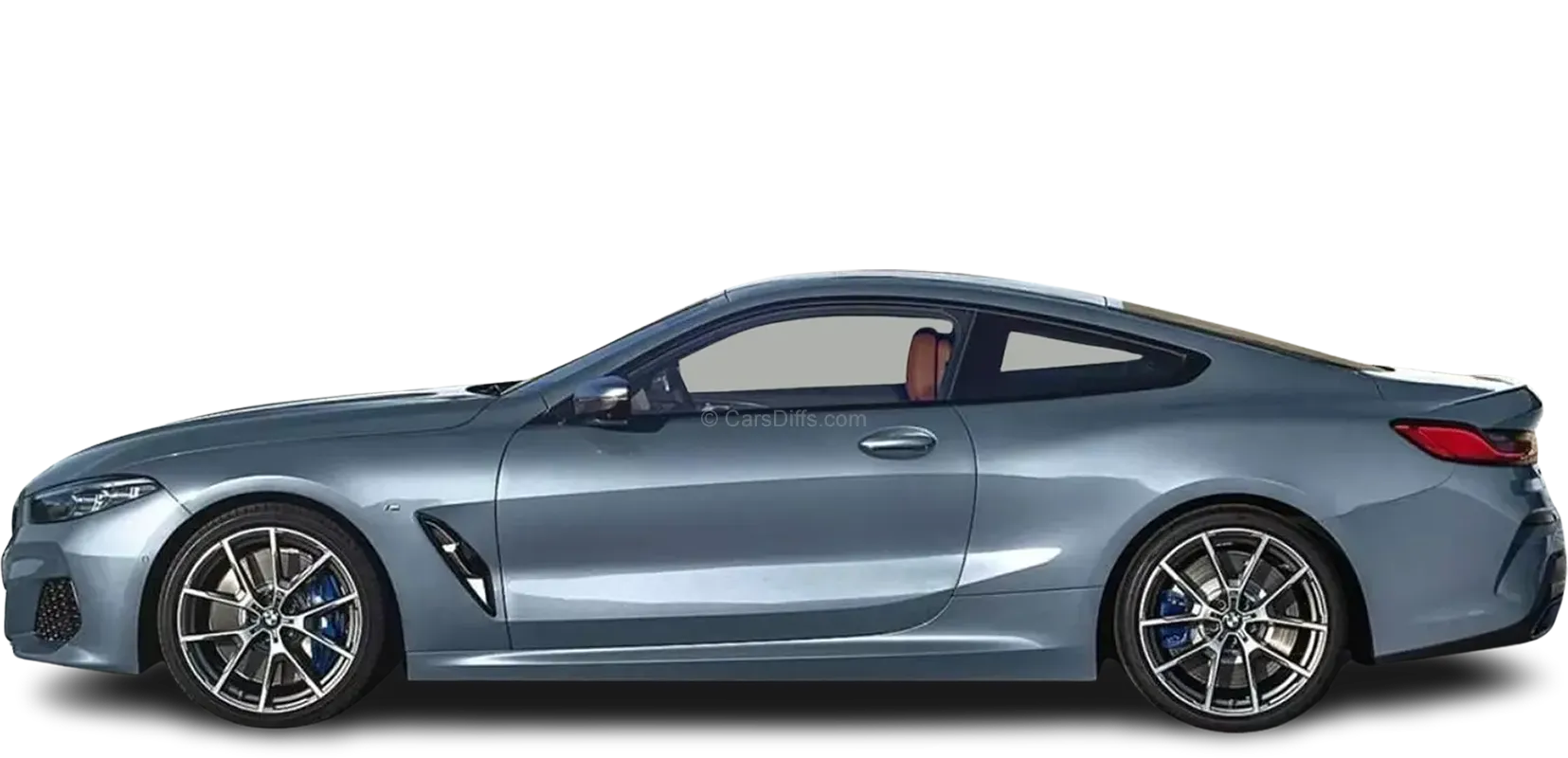
Bmw 8 Series (2022 - present) is larger by 38.1 cm and lower by 10.4 cm compared to Hyundai Ioniq (2019 - 2022). It has ground clearance lower by 1.9 cm and cargo volume is smaller by 9%
Length
A longer body means it might be more challenging to maneuver in tight spaces, but could offer more interior space.
Width
The wider body provides more shoulder room for passengers but may be more challenging in tight parking spots.
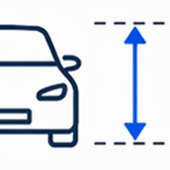
Height
The lower height could mean easier access to low-ceiling garages, though possibly with less headroom.
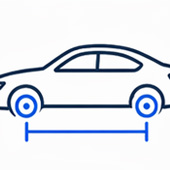
Wheelbase
A longer wheelbase typically provides better stability and passenger space, but may increase turning radius.
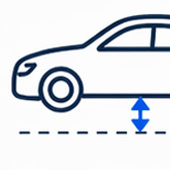
Ground Clearance
Lower ground clearance typically improves handling and makes entry/exit easier, but requires more caution on rough terrain.

Weight
Greater weight can provide better stability but may impact fuel efficiency and performance.

Cargo Volume
The smaller cargo space means less room for luggage when all seats are in use.

Price EU
The higher price might reflect additional features, better materials, or brand positioning.

Price US
Consider if the additional cost is justified by features, brand value, or specifications you need.